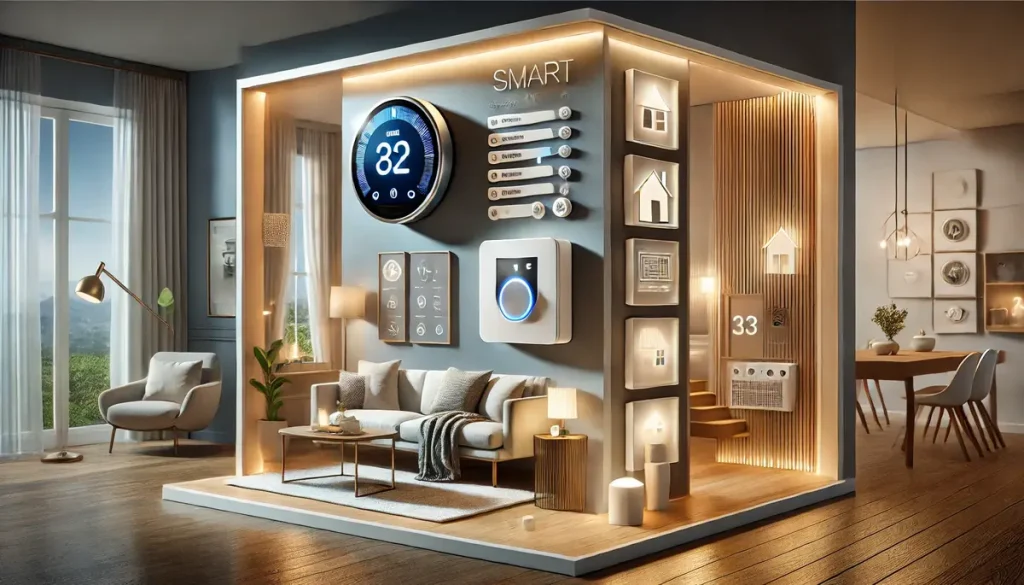
Have you ever wondered what makes a home truly “smart”? Connected homes are becoming increasingly popular, with homeowners seeking technologies that offer convenience, efficiency, and sustainability. Among the many components that contribute to a connected home, HVAC equipment stands out as a critical element. According to recent studies, smart HVAC systems can reduce energy consumption by up to 20%, making them a compelling choice for modern households. But how do these systems fit into the larger vision of connected living? Let’s explore how smart HVAC equipment is shaping the way we experience comfort and efficiency in our homes.
Read More: How to Keep Your Heating System Running Efficiently All Winter Long
What is Smart HVAC Equipment?
Smart HVAC equipment is an advanced iteration of traditional heating, ventilation, and air conditioning systems, designed to integrate seamlessly with connected home technologies. These systems include a combination of smart thermostats, IoT-enabled devices, and AI-driven solutions.
- Smart Thermostats: Devices like these allow users to control temperature settings remotely through mobile apps, offering precise control and monitoring.
- Sensors and IoT Devices: Integrated sensors track indoor air quality, humidity levels, and temperature fluctuations, enabling the system to make real-time adjustments.
- AI-Powered HVAC Systems: These systems use artificial intelligence to learn user preferences and optimize energy usage over time.
By incorporating these elements, smart HVAC equipment elevates the functionality of traditional systems to align with the demands of connected living.
Key Features of Smart HVAC Equipment for Connected Homes
Smart HVAC equipment comes equipped with innovative features designed to meet the expectations of modern homeowners. These features enhance convenience, improve efficiency, and align with the connected lifestyle, making them essential for today’s smart homes.
Integration with Smart Home Systems
A standout feature of smart HVAC equipment is its ability to integrate with existing smart home ecosystems, creating a unified system for enhanced functionality.
- Voice-Controlled Operation: Smart HVAC systems are compatible with voice-activated devices like Amazon Alexa, Google Assistant, and Apple HomeKit. This integration allows users to adjust temperatures, change modes, or schedule operations using simple voice commands, offering hands-free convenience.
- Smart Hub Connectivity: These systems can connect to central smart home hubs, enabling homeowners to control HVAC settings alongside other devices, such as lights and security cameras, from a single platform.
- Cross-Device Synchronization: HVAC systems can communicate with other connected devices. For instance, when a smart lock detects that no one is home, it can signal the HVAC system to adjust temperatures, reducing energy consumption.
This seamless integration enhances the overall efficiency of smart homes and simplifies daily operations.
Predictive Maintenance
Predictive maintenance is one of the most valuable features of smart HVAC equipment, designed to minimize system downtime and prevent costly repairs.
- Real-Time Monitoring: Sensors embedded in the HVAC system continuously monitor performance metrics, such as airflow, temperature consistency, and energy usage. These insights help detect early signs of malfunction.
- Automated Alerts: Homeowners receive notifications via mobile apps or email when the system identifies potential issues, such as dirty filters, refrigerant leaks, or wear and tear on components.
- Enhanced Longevity: By addressing issues promptly, predictive maintenance extends the lifespan of HVAC equipment and ensures optimal performance over time.
This feature provides peace of mind, knowing that the system is proactively safeguarding its operation and reducing unexpected breakdowns.
Geofencing and Automation
Geofencing capabilities allow smart HVAC systems to adapt automatically based on the homeowner’s location, ensuring optimal efficiency and comfort.
- Automatic Adjustments: The system uses the homeowner’s smartphone location to determine occupancy. For example, when the homeowner leaves, the system switches to energy-saving mode, and when they return, it adjusts to a pre-set comfortable temperature.
- Customizable Geofencing Zones: Users can define specific geographic areas, such as the workplace or school, to trigger HVAC actions. This ensures the home is always at the desired temperature when occupants arrive.
- Energy Efficiency Boost: By reducing unnecessary heating or cooling during unoccupied hours, geofencing significantly lowers energy consumption and utility bills.
This automation ensures that the HVAC system operates only when necessary, blending convenience with cost-effectiveness.
User-Friendly Interfaces
Smart HVAC equipment is designed with intuitive interfaces that make it easy for homeowners to control and customize their home climate.
- Mobile App Control: Dedicated apps provide comprehensive control over the HVAC system, enabling users to adjust settings, schedule operations, and monitor energy usage from anywhere.
- Interactive Dashboards: The apps feature user-friendly dashboards with visual representations of temperature trends, energy consumption, and maintenance schedules, offering a clear understanding of system performance.
- Voice and Touch Controls: In addition to app-based management, many systems support voice commands and touchscreens, providing multiple options for user interaction.
These user-friendly interfaces ensure that anyone, regardless of technical expertise, can efficiently manage their HVAC system.
10 Smart HVAC Equipment for Smart Homes
Smart HVAC equipment has become a cornerstone of modern smart homes, offering advanced features that enhance convenience, energy efficiency, and overall comfort. Below is a comprehensive overview of 10 top smart HVAC equipment options that are redefining home climate control.
1. Ecobee Smart Thermostat Premium
The Ecobee Smart Thermostat Premium is a popular choice for homeowners seeking seamless HVAC integration within a smart home ecosystem.
- Voice Integration: This thermostat is compatible with Amazon Alexa, Google Assistant, and Apple HomeKit, allowing users to control their home’s temperature through simple voice commands. This feature adds convenience and enhances accessibility for users of all ages.
- Energy Savings: Equipped with occupancy sensors, the thermostat detects when rooms are empty and adjusts temperatures automatically. This optimization reduces unnecessary energy consumption, contributing to significant savings on utility bills.
- Smart Sensors: Additional room sensors help monitor temperature variations and detect hot or cold spots. These sensors ensure a consistent and comfortable climate throughout the home, making it ideal for multi-room setups.
The Ecobee Smart Thermostat Premium combines efficiency, advanced features, and user-friendly design, making it a top pick for connected homes.
2. Nest Learning Thermostat
The Nest Learning Thermostat stands out for its ability to adapt to user preferences, providing intuitive control and energy efficiency.
- Learning Capability: The system learns your daily routines and temperature preferences over time, automatically creating a personalized schedule for optimal comfort. This eliminates the need for manual adjustments.
- Remote Control: Through the Nest app, users can control the thermostat from anywhere, adjust settings, monitor energy usage, and receive alerts about potential issues. This remote access ensures convenience and flexibility.
- Energy Reports: Monthly reports provide insights into energy consumption, empowering homeowners to make informed decisions about reducing their energy use. These reports also highlight savings achieved through optimized settings.
The Nest Learning Thermostat is a reliable choice for tech-savvy homeowners who prioritize energy efficiency and customization.
3. Honeywell Home T10 Pro Smart Thermostat
The Honeywell Home T10 Pro Smart Thermostat offers professional-grade features that cater to the needs of modern households.
- Room Priority Control: This thermostat allows users to prioritize heating or cooling specific rooms based on occupancy. This feature ensures that the most frequently used areas of the home remain comfortable at all times.
- Geofencing Technology: By detecting the homeowner’s location through their smartphone, the thermostat automatically adjusts settings for optimal efficiency and comfort. It switches to energy-saving mode when the home is unoccupied and restores comfort settings upon arrival.
- Advanced Compatibility: Compatible with popular smart home systems like Amazon Alexa and Google Assistant, the T10 Pro integrates seamlessly into connected ecosystems, enhancing convenience and functionality.
With its focus on precision and integration, the Honeywell Home T10 Pro is a great fit for households with varying temperature needs.
4. Lennox iComfort S30
The Lennox iComfort S30 Thermostat is designed to provide comprehensive control and enhanced air quality for connected homes.
- Allergen Defender: This feature monitors outdoor air quality and pollen levels, adjusting the system to filter indoor air more effectively. It’s an excellent choice for families with allergy sensitivities.
- Smart Away Mode: The thermostat automatically switches to energy-saving mode when it detects no one is home. This functionality optimizes energy usage without requiring manual intervention.
- Customizable Schedules: Homeowners can program detailed schedules to match their daily routines. Whether you’re sleeping, working, or relaxing, the system ensures the temperature is always just right.
The Lennox iComfort S30 is ideal for those who prioritize both comfort and health, with a focus on air quality and energy efficiency.
5. Carrier Infinity Touch Control Thermostat
The Carrier Infinity Touch Control Thermostat is a sophisticated solution for homes with complex HVAC needs, offering unparalleled control and convenience.
- Complete System Control: This thermostat manages heating, cooling, ventilation, and even air purification systems, all from a single interface. This comprehensive functionality is ideal for larger homes with advanced HVAC setups.
- Wi-Fi Connectivity: Through the Carrier app, users can control the system remotely, adjust settings, and monitor performance. This flexibility allows homeowners to ensure their home remains comfortable, even when they’re away.
- Intelligent Alerts: The system provides real-time notifications about performance issues or required maintenance, enabling homeowners to address problems proactively before they escalate.
With its powerful features and advanced technology, the Carrier Infinity Touch Control Thermostat is perfect for homes that require extensive HVAC management.
6. Sensibo Sky Smart Air Conditioner Controller
The Sensibo Sky Smart Air Conditioner Controller revolutionizes traditional air conditioners by adding smart capabilities, making it a versatile option for homes that don’t already have advanced HVAC systems.
- Retrofit Design: Sensibo Sky is designed to work with most existing air conditioners, including window units and split systems. By attaching the device to your AC, it provides remote control and smart features without requiring a full HVAC system upgrade. This makes it an economical solution for homeowners looking to enhance their cooling systems.
- Climate Automation: Using sensors and weather data, Sensibo Sky automatically adjusts temperature and humidity levels to create the perfect indoor environment. For instance, it can cool your home on hot days before you arrive or maintain optimal humidity to prevent discomfort.
- Energy Monitoring: The system tracks energy usage patterns and presents data through its app. Homeowners can review this data to identify inefficiencies and make adjustments to save on electricity costs.
With its easy installation and smart features, Sensibo Sky is a great entry point into smart HVAC technology.
7. Trane ComfortLink II XL850 Thermostat
The Trane ComfortLink II XL850 Thermostat is a robust and reliable system designed for homes seeking precision and control in HVAC management.
- Custom Scheduling: This thermostat allows for detailed programming to accommodate diverse daily routines. Whether you’re at home or away, you can schedule heating or cooling to fit your needs, reducing energy consumption without sacrificing comfort.
- Energy Efficiency: By providing detailed insights into energy usage, the Trane ComfortLink II XL850 empowers homeowners to make data-driven decisions. Features like energy usage tracking ensure that inefficiencies are promptly identified and corrected.
- Smart Home Compatibility: This thermostat integrates seamlessly with Nexia Smart Home systems, offering connectivity with other smart devices in the home. Through this integration, homeowners can control their HVAC system alongside lighting, security, and more via a single interface.
With its combination of customizability, efficiency, and compatibility, the Trane ComfortLink II XL850 is a versatile tool for connected homes.
8. Daikin One+ Smart Thermostat
The Daikin One+ Smart Thermostat is a cutting-edge device that combines climate control with advanced air quality management, offering a comprehensive solution for smart home comfort.
- Air Quality Monitoring: Beyond temperature control, this thermostat monitors indoor air quality, including pollutants and allergens, providing real-time updates through its app. This feature ensures a healthier living environment for the entire household.
- Dynamic Temperature Control: The system learns user preferences and external weather patterns to provide consistent and personalized temperature settings. For instance, it can adjust cooling during hot afternoons or heating on cold mornings without user intervention.
- Elegant Interface: Featuring a sleek and modern touchscreen design, the Daikin One+ is not only functional but also visually appealing. The user-friendly interface simplifies navigation, making it easy to adjust settings and access information.
Daikin One+ stands out as a smart thermostat that prioritizes both comfort and health, making it an excellent choice for families.
9. Bosch Connected Control BCC100 Thermostat
The Bosch Connected Control BCC100 Thermostat combines powerful features with a straightforward design, making it suitable for homeowners new to smart HVAC systems.
- Multi-System Control: This thermostat supports heating, cooling, and ventilation systems, offering a single point of control for all HVAC needs. It’s particularly beneficial for homes with complex systems.
- Smart Scheduling: The BCC100 enables users to create schedules for daily and weekly use, ensuring optimal performance tailored to the household’s routines. This feature simplifies energy management while enhancing comfort.
- App-Based Management: The Bosch Connected Control app provides full remote control of the thermostat, allowing homeowners to adjust settings, check system performance, and receive alerts from anywhere.
With its intuitive interface and advanced capabilities, the Bosch BCC100 is ideal for homeowners looking for a simple yet effective smart thermostat.
10. Mitsubishi Kumo Cloud HVAC Controller
The Mitsubishi Kumo Cloud Controller is an innovative device designed specifically for ductless HVAC systems, offering unique benefits for homeowners with mini-split setups.
- Ductless Integration: Unlike many smart HVAC solutions, the Kumo Cloud is tailored for ductless systems, making it an ideal choice for homes without central HVAC systems. It enables smart functionality without the need for a complete system overhaul.
- Multi-Zone Control: This controller supports independent management of multiple zones, allowing users to adjust the temperature in specific areas of the home. This ensures personalized comfort while improving energy efficiency.
- Cloud-Based Access: Through the Kumo Cloud app, homeowners can remotely manage their HVAC system, monitor performance, and even set schedules. This feature adds convenience, particularly for busy families or frequent travelers.
The Mitsubishi Kumo Cloud Controller provides an exceptional solution for enhancing ductless HVAC systems, offering flexibility and convenience for connected living.
Benefits of Smart HVAC Equipment in a Connected Home
Smart HVAC equipment offers numerous benefits that extend beyond simple temperature control. It enhances efficiency, comfort, and sustainability, making it an indispensable part of a connected home.
- Energy Efficiency and Cost Savings: These systems optimize energy usage by learning your daily routines and automatically adjusting temperatures. Over time, this can significantly lower utility bills.
- Enhanced Comfort and Convenience: With features like zone-specific climate control, every room in your home can maintain the ideal temperature, tailored to individual preferences.
- Improved Air Quality: Advanced air filtration systems monitor and improve indoor air quality by reducing allergens and pollutants.
- Sustainability: Smart HVAC equipment supports eco-friendly living by reducing carbon footprints and integrating with renewable energy sources such as solar panels.
These benefits illustrate why many homeowners are adopting smart HVAC systems as an essential component of their connected homes.
How Smart HVAC Equipment Enhances a Connected Home
Smart HVAC equipment plays a pivotal role in creating a connected home, seamlessly integrating with other smart technologies to offer convenience, efficiency, and personalization. By working in harmony with various smart devices and systems, these advanced solutions elevate home automation to new heights.
Seamless Automation
One of the most remarkable aspects of smart HVAC equipment is its ability to integrate with other smart devices, enabling seamless automation throughout the home.
- Integration with Smart Lighting: HVAC systems can connect with smart lighting systems to synchronize environmental conditions. For example, when the HVAC system lowers the temperature in the evening, the lighting can adjust to warmer tones, creating a cozy ambiance.
- Smart Security Integration: These systems can work in tandem with security devices, such as cameras and motion detectors. For instance, when the HVAC system detects that no one is home, it can reduce energy usage while maintaining security settings.
- Unified Control via Home Hubs: By connecting to centralized hubs like Amazon Alexa or Google Home, HVAC equipment becomes part of a larger smart home ecosystem, allowing users to control temperature, lighting, and even appliances with a single voice command.
This level of automation ensures that every aspect of the home operates harmoniously, providing convenience and enhancing the overall living experience.
Personalized User Experience
Smart HVAC equipment prioritizes individual comfort by offering advanced settings that cater to the specific preferences of household members.
- Zone-Based Climate Control: These systems allow for precise temperature adjustments in different rooms or zones. This is particularly beneficial in larger homes, where individual rooms may require unique settings based on usage or preferences.
- User Profiles for Personalized Comfort: Homeowners can create custom profiles that store preferences for temperature, humidity, and airflow. For instance, a family member who prefers cooler temperatures can have their room automatically adjusted without affecting the rest of the house.
- Adaptability to Seasonal Changes: The system learns user behaviors over time and adjusts settings accordingly. For example, during winter, it might ensure that living spaces are warmer during the morning and evening, aligning with daily routines.
By tailoring the climate to individual needs, smart HVAC equipment enhances comfort while maintaining efficiency.
Proactive Energy Management
Energy efficiency is a cornerstone of smart HVAC equipment, which actively works to reduce energy consumption without compromising comfort.
- Automated Scheduling: Homeowners can program the system to adjust temperatures based on daily routines. For instance, during work hours when the home is empty, the system can lower heating or cooling levels to conserve energy.
- Remote Access and Control: Using mobile apps, users can monitor and control the system from anywhere. If plans change and someone returns home earlier than expected, they can adjust the settings remotely to ensure the house is comfortable upon arrival.
- Real-Time Energy Monitoring: Smart HVAC systems provide insights into energy consumption patterns, helping homeowners identify areas for improvement and make informed decisions about energy use.
This proactive approach to energy management not only reduces utility bills but also supports sustainable living.
The ability of smart HVAC equipment to integrate and harmonize with other smart technologies redefines what it means to live in a connected home. From enhancing everyday convenience through automation to providing personalized comfort and efficient energy management, these systems embody the essence of smart living. As homes continue to evolve with advancements in technology, smart HVAC equipment remains at the forefront of creating spaces that are intuitive, efficient, and truly connected.
Challenges in Adopting Smart HVAC Equipment
While the benefits of smart HVAC systems are significant, there are challenges that homeowners should consider before making the transition.
- Initial Investment Costs: Upfront costs for smart HVAC equipment are higher than traditional systems, but the long-term savings can outweigh the initial expense.
- Technical Complexities: The installation process often requires professional assistance and familiarity with advanced technology.
- Privacy Concerns: As these systems rely on internet connectivity, ensuring data security is crucial to protect personal information.
Understanding these challenges is essential to make informed decisions about adopting smart HVAC equipment.
Conclusion
Smart HVAC equipment is more than just a technological advancement; it is a gateway to smarter, more efficient living. By enhancing energy efficiency, improving comfort, and supporting sustainability, these systems are transforming the concept of home automation. As the demand for connected homes grows, adopting smart HVAC solutions becomes a practical step toward a greener and more convenient future. To learn more about the latest advancements in smart home technologies, explore options that best fit your needs and take a step toward building your connected sanctuary.