
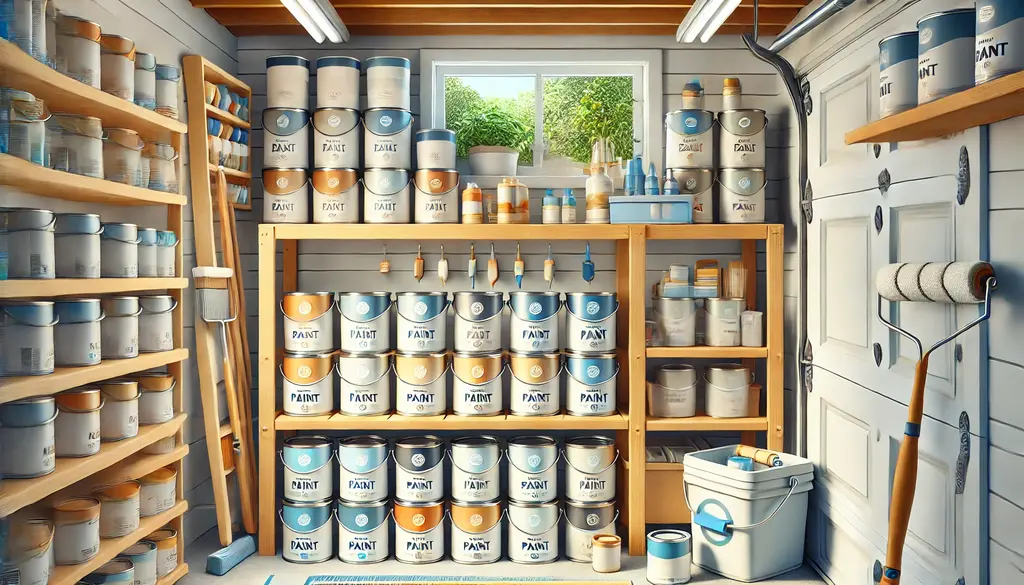
Paint is one of those things we rarely think about until it’s a problem. A rusty can, a strange smell, or a pile of half-used containers can all cause stress later. The good news? With the right approach, you can store what you need, dispose of what you don’t, and even recycle or donate to give your paint a second life.

Why Proper Paint Storage and Disposal are Essential?
After finishing a renovation, you may want to throw away leftover paint. But this is not safe. Wrong disposal can harm your health. It can also damage your home. It can hurt the environment too.
Storing paint in garages or sheds is not safe. These places get very hot or very cold. Heat breaks down the chemicals. Cold weather makes the paint thick and unusable. Open or leaking cans are dangerous. Spilled paint can start a fire, especially oil-based paint. Unsealed cans release fumes. These fumes are harmful to breathe. They are worse in closed spaces. The safe way is to store paint in a cool, dry, and airy place. This keeps it safe and usable.
Throwing paint in the trash is unsafe. Pouring it down the drain is worse. Many paints contain toxic chemicals. Old paints may have lead or mercury. In landfills, these chemicals go into the soil. They can reach water under the ground. This pollutes rivers and lakes. It can also affect drinking water. Fish and animals can be harmed too. Paint in drains can block pipes. It can damage treatment systems.
Types of Paint
It is important to know the differences between latex paint and oil-based paint. This helps you store them properly. It also helps you dispose of them safely.
Latex (Water-Based) Paint
Latex paint is water-based. It is the most common choice for home projects and easy to use. You can clean spills with soap and water. Latex paint dries quickly. You can apply a second coat within a few hours. This helps you finish the job fast. Latex paint is flexible. It does not crack and chip easily. It has low levels of volatile organic compounds (VOCs). This means it has only a mild smell and is more eco-friendly than oil-based paint.
Oil-Based Paint
Oil-based paint is made with a solvent. It is very durable. It creates a hard finish. The finish is smooth. resists scuffs, and scratches. This makes it good for doors, tri, and cabinets. It provides a glossy finish and gives excellent coverage. However, it takes a long time to dry.
You may wait up to 24 hours before adding another coat. Cleanup requires harsh chemicals. You must use mineral spirits. Oil-based paint has a strong smell. It has high levels of VOCs. You must use proper ventilation.
Learn more: How to Get a Mortgage in 2025?
How to Store Paint Properly?
If you want your leftover paint ready for touch-ups, store it correctly. A little effort now saves a lot of trouble later.
1. Seal the Paint Can Tightly
This is the most important step. After painting, wipe away extra paint from the rim. If paint stays in the rim, the lid will not close right. Air will get in and dry out the paint. Use a rubber mallet to tap the lid back in place. This creates a firm, airtight seal. Some people also use plastic wrap. They place it over the opening before closing the lid. This makes the seal even tighter.
2. Choose the Right Storage Location
The storage spot matters. Paint needs a cool and dry place such as basements, closets, and interior storage rooms. Do not store paint in an uninsulated garage or in a shed.
Paint can freeze in winter and overheat in summer. Extreme heat or cold ruins the texture and color.
3. Label Your Paint Cans
Do not trust your memory. You will not remember the color later. Use a permanent marker. Write the color name and brand on the can. Write the date and the room it was used in.. This saves you from guessing later.
4. Use Smaller Containers for Leftovers
Do not leave a little paint in a big can. Pour it into a smaller airtight container. A glass jar works well. Less air keeps paint fresh longer. Label the new container. Copy the color, brand, room, and date.
How to Determine If Paint Is Still Usable?
You might have a half-empty can of paint in your garage. It might still be good. Many people ask this question. Paint does not last forever. But if you stored it well, it could still work for your next project.
Shelf Life of Paint
Paint lasts based on age. It also depends on storage.
- An unopened can of latex paint lasts up to 10 years.
- Oil-based paint lasts up to 15 years.
- Once you open a can, it lasts only a few years.
To make it last, store paint in a cool, dry place. Avoid heat and cold. A closet inside your home is a good spot.
Testing Paint Quality
You must check the paint before using it. Here are simple steps:
- Smell Test: Open the can. Smell it. Good paint has a mild chemical smell. Bad paint smells sour, moldy, or rotten. Throw it away.
- Check for Skin: Look at the top of the paint. A thin skin can be removed. But a thick or broken skin means the paint is clumpy. Do not use it.
- Stir Test: Stir the paint well. Separation is normal. If it becomes smooth with no lumps, it is good. If it looks like cottage cheese or has gritty pieces, it is bad.
- Look for Rust or Mold Check inside the can. Rust ruins paint. Mold makes it unsafe. If you see either, throw it away.
How to Dispose of Paint Safely?
Throwing away old paint is a big mistake. Different types of paint need to be thrown away in different ways. This protects your health and the environment.
Latex Paint Disposal
Latex paint is not as dangerous as oil-based paint. But you still cannot throw it in the trash. First, you need to dry it out. If you have only a little bit, you can open the can. The water will evaporate. For more paint, mix it with something that will absorb it. You can use cat litter, shredded paper, or a paint hardener. Once the paint is a solid, dry mass, you can throw it in your regular trash. It must be completely solid for trash collectors to take it.
Oil-Based Paint Disposal
Oil-based paint is a hazardous waste. You should never pour it down a drain. Do not throw it in the trash either. The chemicals in it can pollute the soil. They can also pollute the groundwater. This is a serious threat to the environment. To get rid of it the right way, you must take it to a special center. These places collect hazardous waste. Many cities have places where you can drop it off. They also have special collection events during the year.
Recycling Options
Before you throw paint away, check if you can recycle it. Some groups and companies have special programs. They collect old paint from people. Then, they re-blend it. They turn it into a new, recycled paint. These programs are a great way to give old paint a second life. They also help reduce waste. You can find out about these programs online. Check your city’s waste website or ask at a hardware store.
Environmentally Friendly Alternatives to Disposal
Even when you throw away paint safely, it can feel wasteful. If your paint is still in good condition, you have other choices. These choices are good for the environment. They can also save you money and reduce waste.
Donate Usable Paint
Donating usable paint is a great option. Many groups in your community need paint. This includes local theaters, schools, and non-profits. When you donate paint, you keep it out of the trash. You also help a good cause in your community. You can also check with recycling centers. Some of them accept and give away usable paint. It is a win-win. You get rid of the paint. Someone else gets to use it for free.
Use Paint for Small Projects
You might not have a big project. But leftover paint can still be useful. You can use it for touch-ups on walls. You can paint a small piece of furniture. You can also use it to refresh a picture frame. Having a little paint for these projects is handy. It saves you from buying a new can. Using paint you already have is a great way to reduce waste. It helps you get the most out of what you bought. The next time you have a small project, think of your old paint can. It might be the perfect solution.
FAQs about How to Store and Dispose of Paints
1. Is it safe to store leftover paint in my garage?
No. It is not safe. Garages get very hot. They also get very cold. This can ruin the paint. The texture can be ruined. The color can be ruined too. Always store paint in a cool place. Keep it dry. A basement is good. A closet works well too.
2. How can I tell if my old paint is still good?
Open the can. Smell it. If it has a bad odor, it is bad. Stir it with a stick. Look for lumps. If it looks like cottage cheese, it is bad. If it stirs smooth, it is good. If it smells fine, it is probably still okay to use.
3. What’s the easiest way to get rid of leftover latex paint?
You must dry the paint. Mix it with cat litter. You can also use shredded paper. Wait until the paint is solid. Make sure it is dry. Then you can put it in the trash.
4. Can I throw oil-based paint in the trash?
No. You cannot. Oil-based paint is hazardous waste. Do not throw it in the trash. Do not pour it down a drain. Take it to a special center.
5. Are there other options besides throwing paint away?
Yes. There are. You can donate good paint. Give it to schools. Give it to theaters. Community groups often take it. You can also use small amounts at home. Touch up a wall. Paint a chair. Use it for small projects.