
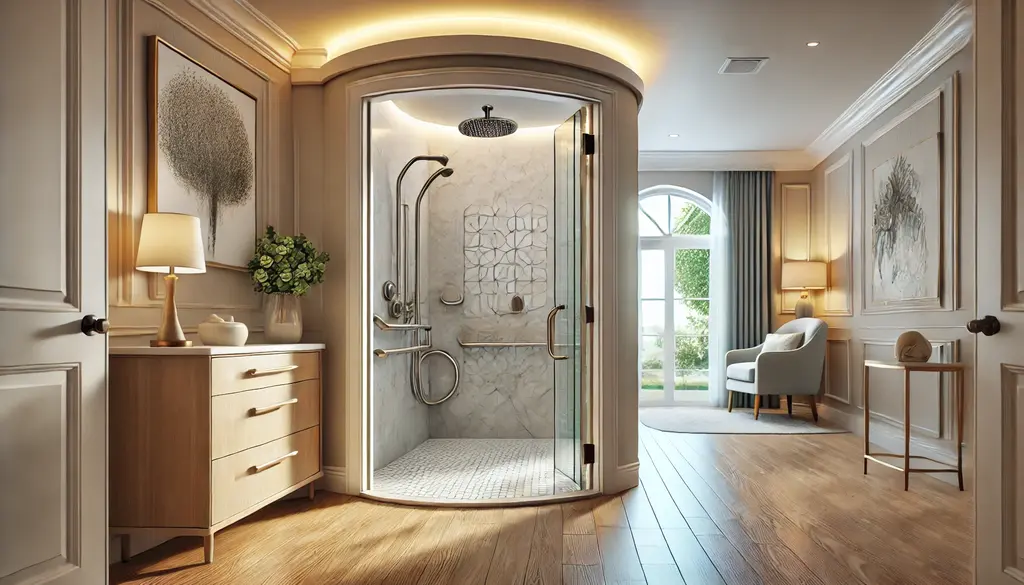
Aging in place is more than just a growing trend; it’s a lifestyle choice rooted in independence, comfort, and familiarity. The concept refers to making your home a safe, functional, and welcoming space that supports your needs as you age. With the right renovations, you can create an environment where you or your loved ones can thrive, avoiding the upheaval of moving to a care facility.
Whether you’re planning for your golden years or helping a family member prepare their home, this guide will walk you through essential renovation strategies.
By carefully considering each detail, you can design a home that not only accommodates your current lifestyle but also anticipates future challenges. Let’s explore seven transformative tips for renovating a home for aging in place.
Tips for Renovating a Home for Aging in Place
Here are some tips for renovating a home for aging in place:
1. Prioritize Safety
The bathroom is often considered one of the most hazardous areas in the home, especially for older adults. Slippery surfaces and high thresholds can turn routine activities like showering into potential dangers. A curbless shower is a game-changing renovation that prioritizes safety and accessibility. By removing the traditional step-over entry, you eliminate a major tripping hazard and make the space more navigable for anyone, including those who use walkers or wheelchairs.
Beyond the structural benefits, a curbless shower offers practical enhancements. Opt for slip-resistant tiles on the floor to reduce the risk of falls, and ensure proper drainage to prevent water from pooling. A handheld showerhead adds versatility, while built-in seating provides a safe, comfortable place to sit during bathing. These modifications create a luxurious and functional space that meets both current and future needs.
2. Make Life Easier
It’s often the small details that make the biggest difference. Traditional round doorknobs and twist-operated faucets can become frustrating to use for individuals with arthritis, reduced grip strength, or limited mobility. Replacing these with lever-style handles is a simple yet impactful change.
Lever handles are intuitive and require minimal effort to operate, making them ideal for anyone, regardless of age or ability. The same goes for faucets—lever or touchless models reduce strain and enhance usability, especially in kitchens and bathrooms. While functional, these upgrades also offer an opportunity to modernize the look of your home, blending style with practicality.
3. Brighten Your Space
Aging often brings changes to vision, making proper lighting an essential element of any home renovation. Dim or uneven lighting can create shadowed areas that obscure obstacles, increasing the risk of trips and falls. By upgrading your home’s lighting, you can dramatically improve safety and ease of navigation.
Consider layering your lighting to achieve a balance of ambient, task, and accent illumination. Install bright, energy-efficient LEDs in key areas like hallways, kitchens, and staircases.
Motion-sensor lights are particularly useful in dark corridors, turning on automatically when movement is detected. Additionally, nightlights in bedrooms and bathrooms provide low-level illumination during nighttime hours, ensuring safe passage without disrupting sleep.
Natural light is equally important. If you’re undertaking major renovations, think about enlarging windows or adding skylights to invite more daylight into your home. Bright spaces not only reduce eye strain but also contribute to mental well-being, creating an uplifting environment.
4. Increase Mobility
Mobility is a critical consideration in any home designed for aging in place. Standard doorways and hallways often feel cramped, especially for individuals using wheelchairs or walkers. Widening these spaces ensures easy movement and reduces the risk of accidental bumps or scrapes.
Aim for doorways that are at least 36 inches wide, and hallways that are a minimum of 42 inches. This extra space accommodates mobility aids and provides a more open, inviting feel. If widening isn’t feasible due to structural constraints, installing offset door hinges can add an extra two inches of clearance. This simple adjustment can make a world of difference, allowing for smoother navigation without requiring major construction.
5. Create Stability
Bathrooms present unique challenges for aging adults, and grab bars are a practical solution to mitigate risks. These sturdy support devices can prevent slips and falls while offering reassurance in high-risk areas such as showers, bathtubs, and near toilets.
Modern grab bars are far from the institutional-looking designs of the past. Today’s options come in various styles, finishes, and colors, blending seamlessly with your bathroom decor. When installing grab bars, ensure they’re securely anchored into wall studs to handle weight and pressure. For a cohesive look, consider coordinating them with towel racks or other bathroom fixtures. This simple addition can dramatically improve safety while maintaining a sophisticated aesthetic.
6. Think Long-Term
Flooring choices play a vital role in creating a safe home for aging in place. Slippery surfaces like polished wood or glossy tile can become hazards, especially in high-traffic areas like kitchens, bathrooms, and hallways. Replacing these with non-slip alternatives ensures stability and reduces the likelihood of falls.
Textured tiles, low-pile carpets, and cork flooring are excellent options that provide both safety and comfort. Carpets should be firmly anchored to avoid tripping hazards, and transitions between rooms should be smooth and flush to eliminate the need to step over thresholds. If you prefer hardwood, consider engineered wood with a matte finish for better grip. These materials not only enhance safety but also add warmth and style to your home.
7. Simplify Access
The front entrance of your home should be welcoming and accessible to everyone, regardless of physical ability. A no-step entry eliminates barriers like stairs, making it easier for individuals with mobility aids or temporary injuries to enter and exit the home. This feature is also invaluable for caregivers who may need to transport equipment or assist loved ones.
To create a no-step entry, you can build a gently sloped ramp or regrade the pathway leading to your door. Ensure the surface is smooth, slip-resistant, and wide enough to accommodate wheelchairs or walkers. Good lighting and a covered entryway add further safety and convenience, especially during inclement weather. By designing a seamless and accessible entrance, you enhance the functionality and appeal of your home.
Additional Tips for Future-Proofing Your Home
While these seven tips are a great starting point, there are other thoughtful touches to consider. Adding smart home technology, such as voice-activated assistants and remote-controlled lights, can make daily tasks easier and more efficient. Adjustable countertops and pull-out shelves in kitchens and bathrooms provide added convenience, while dual-height sinks accommodate users of all abilities. Finally, consider creating a first-floor master suite to minimize the need for navigating stairs.
Final Thoughts
Renovating your home for aging in place is about more than adapting to physical changes; it’s about preserving independence, dignity, and the comforts of home. By addressing safety, accessibility, and functionality, you create a space that supports your lifestyle both now and in the future.
Whether it’s through installing grab bars, widening doorways, or upgrading lighting, every modification contributes to a safer, more accessible home. These changes may seem small, but together, they make a significant impact on your quality of life. Begin your renovations today and take the first step toward a home that evolves with you—a place where you can age with confidence, grace, and security.