
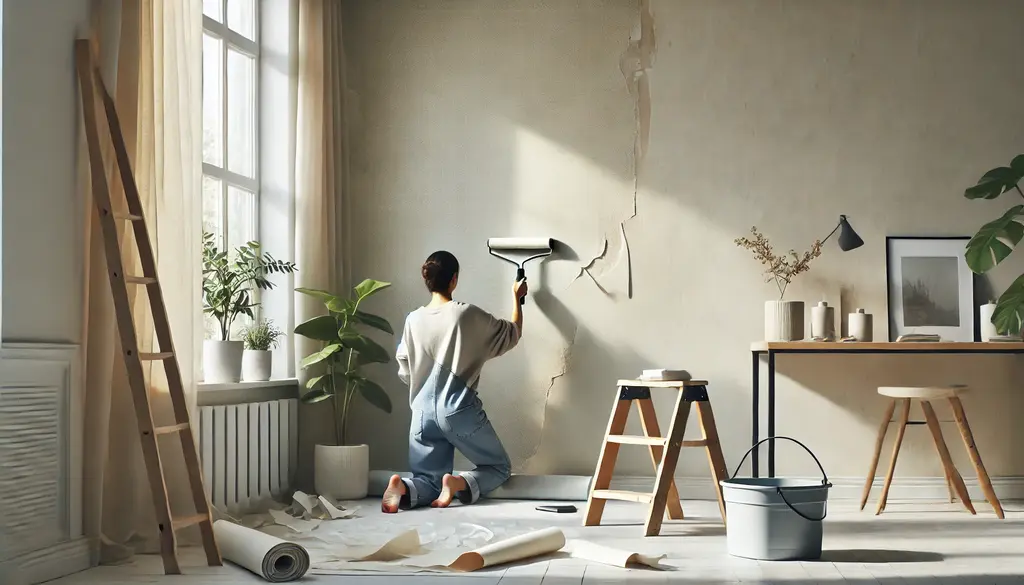
Removing wallpaper is often seen as a challenging home improvement task, but with the right guidance, tools, and techniques, it can be a straightforward and even enjoyable process. Whether you’re updating an old room, fixing past decor decisions, or simply preparing your walls for a new look, this detailed guide will walk you through the process step by step.
You’ll learn everything from preparation to cleanup, and by the end, you’ll be ready to tackle even the most stubborn wallpaper with confidence.
Why Remove Wallpaper?
Wallpaper removal is a crucial step in home renovation projects for several reasons. Over time, wallpaper can fade, peel, or become outdated, making your space look tired. Removing it allows you to refresh your walls, repair any damage, and start with a clean slate.
Additionally, many modern paints and wallpapers require smooth, residue-free surfaces for proper adhesion. By removing old wallpaper properly, you can ensure a professional finish for your new decor.
Understanding Wallpaper Types
Knowing what type of wallpaper you’re dealing with is essential for choosing the right removal technique. Different wallpapers require different methods, and using the wrong approach can lead to frustration or even damage to your walls.
Strippable Wallpaper
This is the easiest wallpaper to remove. Designed for hassle-free removal, strippable wallpaper can often be peeled off in large sheets without much effort. If your wallpaper was applied in the last decade, there’s a good chance it’s strippable.
Peelable Wallpaper
Peelable wallpaper is similar to strippable wallpaper but leaves behind a paper backing after the top layer is removed. This backing needs to be soaked or steamed before it can be scraped off completely.
Traditional Wallpaper
Traditional wallpaper is adhered to walls with a strong paste. It’s more challenging to remove and often requires soaking, steaming, or chemical solutions to break down the adhesive. If your wallpaper is older, it’s likely to fall into this category.
Vinyl-Coated Wallpaper
Vinyl-coated wallpaper is durable and moisture-resistant, making it popular in bathrooms and kitchens. However, its water-resistant properties can make removal tricky, as soaking may not penetrate the surface effectively.
Preparation Before You Start
Preparation is key to a smooth wallpaper removal process. Taking the time to set up your workspace properly can save you hours of cleanup and prevent accidental damage to your walls and furniture.
Assessing Your Walls
Begin by inspecting your walls to determine whether they’re drywall or plaster. Drywall is more delicate and prone to damage, so you’ll need to be extra careful. Plaster walls are sturdier and can withstand more aggressive scraping and soaking.
Gathering Tools and Supplies
Having the right tools on hand will make the process easier and more efficient. Here’s what you’ll need:
- A putty knife or wallpaper scraper for peeling and scraping.
- A sponge or cloth for cleaning.
- A bucket of warm water mixed with mild dish soap or vinegar.
- A spray bottle for applying water or chemical solutions.
- Drop cloths or plastic sheeting to protect floors and furniture.
- Painter’s tape to cover baseboards and outlets.
- A steamer for stubborn wallpaper.
- Chemical wallpaper remover (optional).
Protecting Your Space
Clear the room of as much furniture as possible. Cover remaining furniture and flooring with drop cloths to prevent damage. Use painter’s tape to protect trim, outlets, and baseboards from water and adhesive residue. Turn off the electricity to the room if you’ll be applying water near electrical outlets.
Methods for Removing Wallpaper
There are several effective methods for removing wallpaper. The best approach depends on the type of wallpaper and adhesive you’re dealing with. Below, we’ve outlined the most popular techniques.
Dry Stripping
Dry stripping works best for strippable wallpaper. Start by finding a loose corner and peeling it back with your fingers or a putty knife. Pull at a 45-degree angle to avoid tearing. If the wallpaper doesn’t come off easily, move on to one of the other methods below.
Soaking with Water
Soaking is a tried-and-true method for most wallpaper types. Mix warm water with a small amount of dish soap or vinegar in a spray bottle. Spray a generous amount onto the wallpaper, focusing on seams and edges. Let it sit for 10-15 minutes to loosen the adhesive, then use a scraper to peel away the paper. Work in small sections to prevent the water from drying out.
Using Chemical Removers
Chemical wallpaper removers are designed to dissolve adhesive, making it easier to scrape off the paper. Follow the manufacturer’s instructions to mix and apply the solution. Apply it evenly with a sponge or spray bottle, let it soak in, and then scrape away the softened wallpaper. Be sure to wear gloves and ensure proper ventilation.
Steaming
For stubborn or multiple layers of wallpaper, a steamer can be a lifesaver. Fill the steamer with water and allow it to heat up. Press the steam plate against the wallpaper for 10-15 seconds to loosen the adhesive. Use a scraper to peel off the softened paper. Steamers are particularly effective for vinyl-coated or older wallpapers.
Dealing with Stubborn Wallpaper
Some wallpapers refuse to budge, even with soaking and scraping. In these cases, patience and persistence are key. For vinyl-coated wallpaper, scoring the surface with a utility knife or wallpaper scorer can help water or steam penetrate. If you’re dealing with multiple layers, remove one layer at a time, starting with the topmost layer.
Cleaning and Repairing Your Walls
Once the wallpaper is removed, your walls will likely need some attention before they’re ready for paint or new wallpaper.
Removing Residual Adhesive
Use a sponge and warm soapy water to scrub away any leftover adhesive. For particularly stubborn spots, a vinegar-and-water solution or a commercial adhesive remover can help. Be sure to rinse the walls thoroughly and let them dry completely.
Repairing Damage
Inspect the walls for damage such as holes, dents, or scratches. Fill these imperfections with joint compound, then sand them smooth. This step ensures a flawless surface for your next project.
Priming Your Walls
Priming is essential for creating a smooth, even surface. It also helps new paint or wallpaper adhere better. Choose a primer that matches your intended finish and apply it evenly across the entire wall.
Tips and Best Practices
Here are some tips and best practices to follow when removing a wallpaper:
Test Before You Commit
Always test your chosen removal method on a small section of the wallpaper first. This will help you determine its effectiveness and avoid unnecessary damage to your walls.
Work in Sections
Tackling small sections at a time will prevent the adhesive or water from drying out before you can scrape it off. It also makes the process more manageable.
Stay Patient
Wallpaper removal can be time-consuming, especially if you’re dealing with older or stubborn wallpaper. Take breaks as needed and don’t rush the process.
Conclusion
Removing wallpaper may take time and effort, but it’s a rewarding project that can completely transform your space. By understanding the type of wallpaper you’re working with, preparing your tools and workspace, and using the right techniques, you can achieve professional-quality results.
Whether you’re repainting, re-wallpapering, or leaving your walls bare, the effort you put into wallpaper removal will be well worth it. Take your time, follow the steps outlined here, and enjoy the satisfaction of a job well done.