
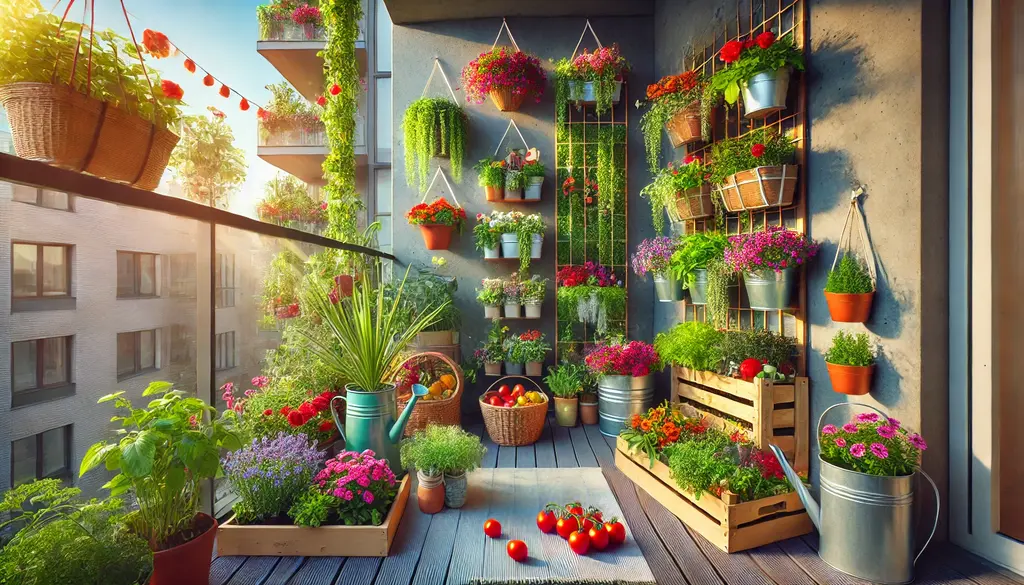
As cities expand and homes shrink, the yearning for green spaces in our lives has grown stronger than ever. For those with limited outdoor areas, small space gardening offers a refreshing and practical way to connect with nature, grow fresh produce, and enjoy the beauty of plants. Whether you’re an urban apartment dweller, a homeowner with a tiny backyard, or someone looking to add greenery to unconventional spaces, small-space gardening proves that you don’t need acres of land to cultivate a thriving garden.
All it takes is creativity, the right techniques, and a little patience. This ultimate guide dives deep into every aspect of small-space gardening, offering you practical advice, innovative ideas, and proven strategies to make the most of even the tiniest spaces.
You may also like this: Window Garden Paradise: Tips for Indoor Window Gardens
Why Small Space Gardening is Worth the Effort?
Gardening in small spaces is about much more than aesthetics. It’s a way to reconnect with the earth, reduce stress, and create something truly rewarding. A small herb garden on your windowsill can transform your cooking, while a balcony filled with colorful flowers can brighten your mornings.
Beyond the emotional and practical benefits, small space gardening is an excellent solution for urban challenges. With rising food prices and a growing awareness of sustainable living, many people are turning to homegrown vegetables and herbs as a way to reduce costs and carbon footprints. Even a tiny garden can provide fresh, pesticide-free produce and contribute to healthier living.
And here’s the best part: gardening doesn’t require you to be a seasoned expert. With the right knowledge, anyone can create a lush, productive garden in the smallest of spaces.
Small Space Gardening Tips
Here are some small space gardening tips for you:
Step 1: Planning Your Small Space Garden
Before you start buying plants and pots, you need a solid plan. Planning is the foundation of any successful garden, and it’s even more critical when you’re working with limited space.
Assess Your Space
Start by observing your environment. What kind of space do you have? It could be a balcony, a terrace, a sunny windowsill, or even a wall that gets good light. Measure the area to know exactly how much space you’re working with. Don’t forget to consider vertical surfaces like fences or walls—they’re often overlooked but can be game-changers.
Understand Light and Microclimates
Light is one of the most important factors in gardening. Spend a few days noting how much sunlight your chosen space receives and at what times of day. South-facing areas usually get the most sunlight, while north-facing ones may be more shaded. Choose plants that suit these conditions. For example, herbs like basil and thyme love full sun, while ferns and some leafy greens thrive in partial shade.
Define Your Goals
What do you want from your garden? Is it fresh produce, fragrant flowers, or simply a green retreat? Having a clear vision will help you make better decisions about the types of plants, containers, and layouts to use.
Step 2: Maximizing Every Inch of Space
In small space gardening, efficiency is everything. You need to think creatively about how to use the space you have and explore techniques that let you grow more with less.
Go Vertical
Vertical gardening is a lifesaver for small spaces. By growing upwards, you save precious floor space while creating stunning visual displays. Install trellises for climbing plants like beans or cucumbers, use wall-mounted planters for flowers, or hang baskets of trailing plants like ivy or strawberries. Shelving units can also hold multiple pots, making them perfect for herbs or small vegetables.
Use Containers Wisely
Containers are the backbone of small space gardening. They allow you to grow almost any plant, from herbs and vegetables to flowers and even small fruit trees. Choose containers that suit your space—lightweight plastic pots are easier to move, while ceramic or terracotta pots add a touch of elegance. Ensure they have drainage holes to prevent waterlogging. Consider self-watering containers to make maintenance easier.
Try Raised Beds and Planter Boxes
If you have a small yard or patio, raised beds and planter boxes are excellent options. They let you grow a variety of plants in a compact, organized manner while improving soil drainage. Raised beds are especially great for vegetables, as they provide more control over soil quality.
Intercropping and Succession Planting
To maximize productivity, practice intercropping by planting compatible crops together. For example, grow fast-growing lettuce beneath taller tomatoes. Succession planting ensures you always have something growing—when one crop is harvested, plant a new one in its place.
Step 3: Choosing the Right Plants
The key to a successful small space garden lies in selecting plants that thrive in confined areas and meet your needs.
Compact and Dwarf Varieties
Many plants have compact or dwarf versions that are perfect for small spaces. Look for cherry tomatoes, dwarf citrus trees, and bush beans. These varieties take up less space while still producing abundant yields.
Herbs for Convenience
Herbs are a staple of small space gardening. They’re compact, versatile, and incredibly useful in the kitchen. Basil, parsley, cilantro, thyme, and mint are all great options. Plus, they grow well in containers or even small indoor spaces.
Leafy Greens and Root Vegetables
Leafy greens like spinach, kale, and lettuce grow quickly and don’t need much space. Root vegetables like radishes and carrots can be grown in deep containers and harvested in just a few weeks.
Flowers and Ornamentals
If your focus is more on aesthetics, opt for colorful flowers like petunias, pansies, or marigolds. These add vibrancy to your garden and attract pollinators like bees and butterflies.
Step 4: Innovative Gardening Ideas for Small Spaces
Gardening is as much about creativity as it is about plants. In small spaces, unconventional ideas can lead to stunning results.
Edible Landscaping
Edible landscaping combines beauty and functionality. Replace traditional ornamental plants with edible ones that are just as attractive. For example, use kale and rainbow chard for their vibrant colors or plant strawberries as ground cover.
Indoor Mini Gardens
No outdoor space? No problem! Create a mini indoor garden with succulents, cacti, or even a small herb planter. Use windowsills, shelves, or corner tables to display your plants.
Rooftop Gardens
If you have access to a rooftop, transform it into a thriving garden. Rooftops are perfect for raised beds, container gardens, and even small fruit trees. Add seating to create a relaxing retreat surrounded by greenery.
Step 5: Maintaining Your Garden for Long-Term Success
A small space garden may be compact, but it still requires care and attention to thrive.
Water Wisely
Overwatering is a common mistake in small space gardening. Use a watering can or a drip irrigation system to ensure you’re not drowning your plants. Self-watering pots are also a great way to maintain consistent moisture levels.
Feed Your Plants
Container plants can quickly use up nutrients in the soil, so it’s important to replenish them. Use a high-quality organic fertilizer or compost every few weeks to keep your plants healthy.
Monitor for Pests and Diseases
In small gardens, pests can spread quickly, so early detection is crucial. Regularly inspect your plants for signs of trouble, such as yellowing leaves or small holes. Use organic pest control methods like neem oil sprays or introduce beneficial insects like ladybugs.
Real-Life Success Stories
Small space gardeners around the world are achieving incredible results in even the most unlikely places. One urban gardener transformed their narrow balcony into a vegetable haven with vertical planters and hanging baskets. Another turned an unused rooftop into a lush oasis with raised beds and trellised tomatoes.
These stories show that no matter the size of your space, with determination and ingenuity, you can create a thriving garden that meets your needs and brings joy to your life.
Conclusion
Small space gardening is an art that combines practicality, creativity, and a love for nature. It proves that anyone, regardless of space constraints, can enjoy the rewards of gardening.
Whether you’re growing fresh vegetables, fragrant herbs, or stunning flowers, every little effort you put into your garden will come back to you tenfold in beauty, productivity, and satisfaction. So, roll up your sleeves, embrace the challenge, and start transforming your tiny space into a lush, green paradise. The possibilities are endless!