
We often find ourselves disconnected from nature. The concrete jungle we live in, coupled with our busy schedules, can make it challenging to embrace the beauty and serenity of the natural world. However, studies show that spending time in nature can significantly improve mental health, reduce stress, and enhance overall well-being.
Even if stepping out into nature isn’t always possible, there are creative ways to bring it into your daily life. Whether you live in a bustling city or a quiet suburb, these seven strategies will help you infuse nature into your everyday routine and reap its benefits.
Learn more: 9 Blue Kitchen Design Ideas for 2025
Ways to Bring Nature Into Your Daily Life
Here are some top ways to bring nature into your daily life:
1. Add Indoor Plants to Your Living Spaces
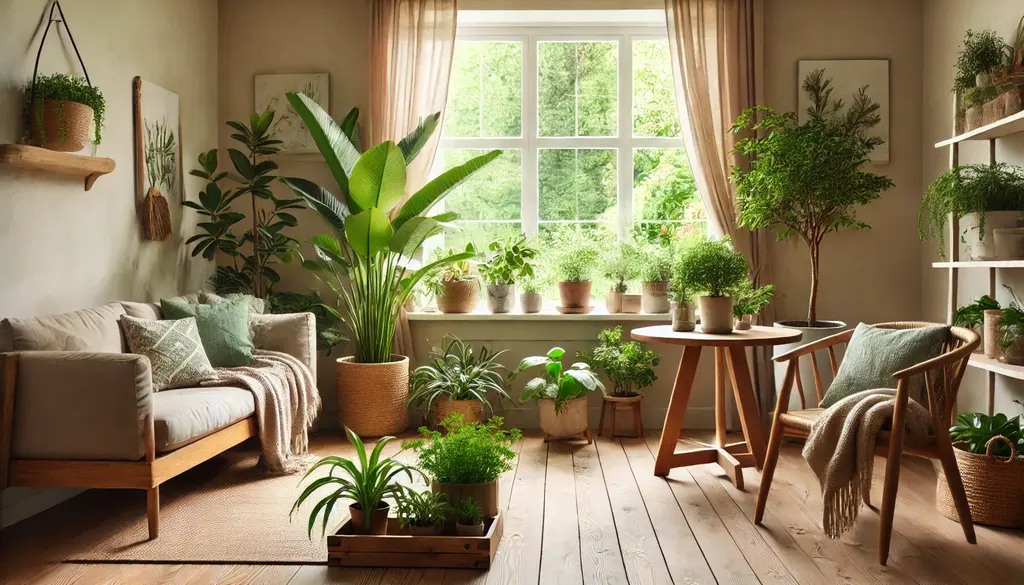
One of the simplest and most effective ways to bring nature into your home is by incorporating indoor plants. Plants don’t just beautify your living space; they also improve air quality by filtering out toxins and releasing oxygen. From the lush greenery of ferns to the striking elegance of snake plants, there’s a houseplant for every personality and environment.
If you’re new to plant care, start with low-maintenance options like pothos, spider plants, or succulents. These are hardy plants that thrive in various conditions and require minimal upkeep. Place them in spots where they can get adequate sunlight, like near windows or in well-lit corners of your home. Not only will they add a refreshing touch of greenery, but caring for plants can also be therapeutic, giving you a sense of purpose and connection to nature.
2. Use Natural Materials in Your Home Decor
Your home’s design can be a gateway to the natural world. By incorporating natural materials into your decor, you can create a warm, earthy atmosphere that feels connected to the outdoors. Swap out synthetic materials for items made of wood, stone, bamboo, or natural fibers like cotton and jute.
For instance, wooden furniture or bamboo blinds can add a rustic charm to your space, while stone countertops or clay pots can make your kitchen or living area feel grounded. Natural textures like woven rugs or linen curtains also introduce an organic, tactile quality that complements any decor style. The key is to strike a balance; too much of one material can feel overwhelming, but a thoughtful mix of natural elements will make your home feel harmonious and closer to nature.
3. Create a Nature-Inspired Workspace
Incorporating nature into your workspace isn’t just about aesthetics—it can also boost productivity and reduce stress. A well-designed workspace with natural elements can help you stay focused, calm, and motivated throughout the day. Start by positioning your desk near a window to allow natural light to flood the room. Sunlight not only lifts your mood but also helps regulate your body’s natural rhythms.
Add small potted plants to your desk or shelves. Even a single succulent or a small terrarium can make a big difference. If you’re feeling creative, hang nature-inspired artwork or photographs of landscapes to give your workspace a calming backdrop. Don’t forget to declutter your desk; an organized space, combined with natural elements, creates a serene and productive environment.
4. Spend Time Outdoors Daily
Nothing beats the real thing when it comes to experiencing nature. Even a brief walk outside can do wonders for your mind and body. If you live near a park, make it a habit to take a short stroll every day. If time is a constraint, consider taking your lunch break outside or stepping into your backyard or balcony to breathe in fresh air.
Engaging in outdoor activities doesn’t have to be elaborate. A morning jog, a quiet moment of meditation in your garden, or even just sitting under a tree to read can provide you with the rejuvenating effects of nature. The goal is consistency—incorporating these moments into your daily life helps you stay connected to the world around you, no matter how hectic your schedule may be.
5. Practice Mindfulness in Natural Settings
Mindfulness and nature are a powerful combination. When practiced together, they can help you feel more grounded, present, and in tune with your surroundings. The Japanese practice of Shinrin-yoku, or “forest bathing,” is a perfect example of this. It involves immersing yourself in a forest environment and mindfully engaging your senses—listening to the rustle of leaves, feeling the texture of bark, or inhaling the fresh scent of pine.
You don’t need a forest to practice this. Even in a city park or your backyard, you can focus on being present with nature. Sit quietly, observe your surroundings, and pay attention to the sensations around you. The sound of birdsong, the feel of grass under your feet, or the gentle breeze on your skin can help you feel more connected to the earth and calmer in your daily life.
6. Incorporate Natural Scents and Sounds
Scent and sound play a significant role in creating a connection with nature. Bringing natural fragrances into your home is a simple way to uplift your mood and promote relaxation. Essential oils like lavender, eucalyptus, or cedarwood can evoke the feeling of being outdoors. You can use diffusers, candles, or even fresh flowers to fill your home with these soothing aromas.
Natural sounds are equally powerful. Consider playing nature soundtracks, like the chirping of birds, the sound of waves, or the gentle rustle of leaves. If you have access to a backyard or balcony, open the windows to let in the real sounds of nature. These small touches can transform your home into a peaceful sanctuary, helping you unwind after a long day.
7. Grow Your Herbs or Vegetables
There’s nothing more rewarding than growing your food, even if it’s just a few pots of herbs on your windowsill. Starting a small herb garden is an easy way to bring nature into your daily routine while also adding fresh flavors to your meals. Basil, mint, rosemary, and parsley are great options for beginners.
If you have more space, consider planting a vegetable garden. Tomatoes, lettuce, and peppers are relatively easy to grow and can thrive in small outdoor spaces or containers. Gardening not only connects you to the cycle of nature but also teaches patience and responsibility. Plus, harvesting your produce adds a sense of accomplishment and sustainability to your lifestyle.
Conclusion
Incorporating nature into your daily life doesn’t require grand gestures or vast green spaces. By making small but meaningful changes—like adding indoor plants, using natural materials in your decor, or stepping outside for a few minutes each day—you can bring the benefits of nature into your routine. Each of these practices helps you feel more connected to the natural world, even in a busy, modern life.
Nature has a unique ability to heal, inspire, and ground us. By weaving these simple practices into your daily life, you’ll not only create a more serene and beautiful environment but also nurture your mind, body, and spirit. Start with one or two changes today, and watch how your connection with nature transforms your life for the better.